

I did a ton of research before my first trip to Portugal — but once I was actually there, some things turned out to be different than I expected, and a few things I hadn’t even thought about.
So I put together the tips that helped me the most, along with everything I wish I’d known, to help make your trip as smooth, magical, and memorable as mine was.
Whether you’re planning a trip now or just dreaming about it, here’s everything I learned that will help you travel Portugal with confidence.
This post contains affiliate links, meaning if you click through and make a purchase I may make a small commission. I only share information about things I know, love and trust!
🚆 Transportation and Getting Around
🛂 Airport & Arrival Tips
- Lisbon Airport (LIS) is very busy — plan extra time, especially for departures.
- Passport control can take up to 1+ hour depending on the time of day.
- Upon departure, pay €11 to book Lisbon Airport Security Fast Track (we did and it was worth skipping the line)
- If you're arriving early, most hotels will store your luggage until check-in.
Arrival Tip:
Airbnbs usually do not have the ability to store luggage, so if you're arriving in the morning, consider booking a hotel for your first night or leg of the trip.
Lisbon Public Transit
You can now tap your credit card, Apple Pay, or Google Wallet to pay for:
- Metro
- Trams
- Buses
- Local trains
No need for a special transit card anymore. A single ride is just under €2.
Rideshare Tips
- Uber is widely available and affordable.
- Bolt is usually 20–30% cheaper than Uber (especially in Lisbon and Porto).
- Download Bolt before your trip and verify your number in advance.
Trains Between Cities
- Portugal’s train system is clean, reliable, and affordable.
- Only book through the official site: cp.pt
- Avoid third-party sites like Rail Ninja (they overcharge!)
🚗 Renting a Car in Portugal
We rented a car in the Algarve, and it was one of the best decisions of our trip.
Rental Car tip:
We found the best rate and reserved on DiscoverCars.
What to Know:
- Driving is relaxed outside of cities.
- Roads are smooth, traffic is light, and scenery is stunning.
- In small towns, streets can be very narrow — just take turns and wave each other through.
Driving Tips:
- Manual cars are cheaper and more common.
- Book early if you need an automatic.
- Portuguese highways use electronic tolls — check that your rental includes a transponder.
- You don’t need an international driving permit, but it’s good to have just in case.
💳 Money, Cards & ATMs
- Visa and Mastercard are widely accepted.
- Use a card with no foreign transaction fees if possible.
- When paying or withdrawing, always choose euros — never let the machine convert to your home currency.
Cash Tips:
- Some cafes and small shops have a €5 card minimum or are cash-only.
- Always carry a little cash for:
- Bakeries
- Small purchases
- Tips
Where to Withdraw:
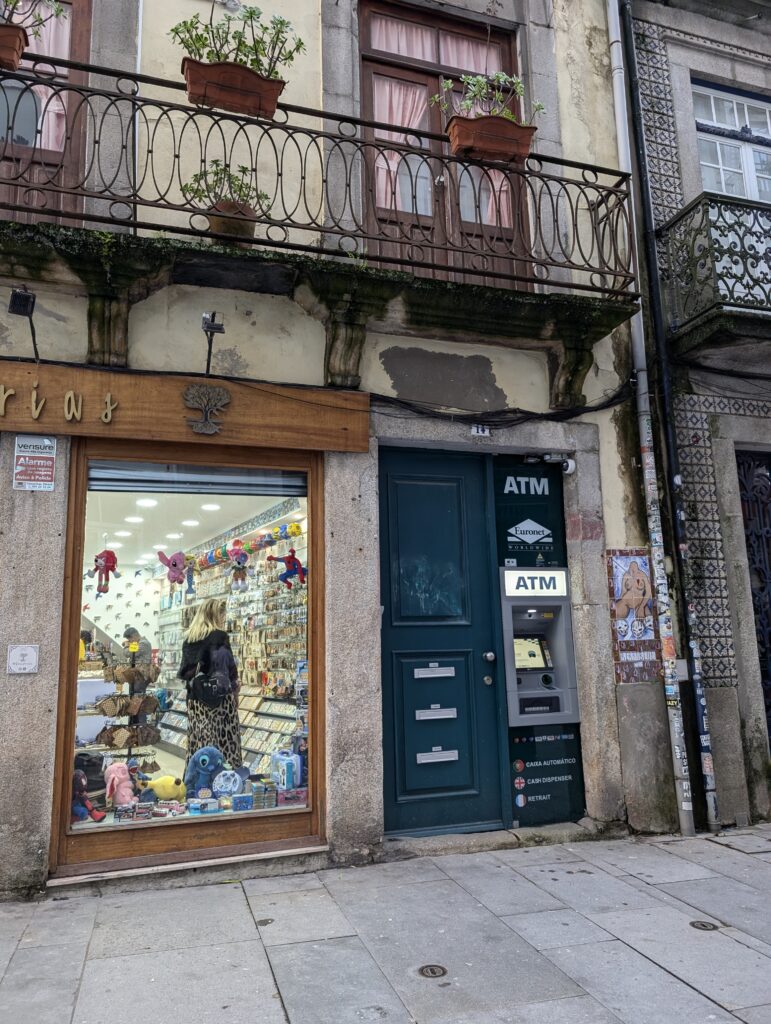
- Use Multibanco ATMs (official, reliable, and safe).
- Avoid Euronet ATMs — they charge higher fees.
- You may need to decline the conversion twice to get the better rate.
- If you prefer to land with cash in hand, €300–€500 is plenty for 7–10 days.
📱 Phones & Data
Best Option: eSIM
- Set it up before your trip for instant access to data.
- Great for navigating from the airport, booking rides, or making reservations.
- Recommended: SAILY or Airalo
SIM Card Alternative
- Visit a Vodafone store to get a tourist SIM (physical or eSIM).
- Comes with a local number — helpful for restaurant reservations or local calls.
🍽️ Dining & Food Culture
Meal Times
- Dinner starts late: most locals eat around 8:30 or 9pm.
- Restaurants often don’t open until 7pm or later.
- Tourist-heavy restaurants are usually the ones packed at 5:30pm.
Reservations
- Highly recommended in Lisbon and Porto.
- You can:
- Use The Fork app
- Message restaurants via Instagram or WhatsApp
- Call (if you have a local SIM)
Couvert: What It Is
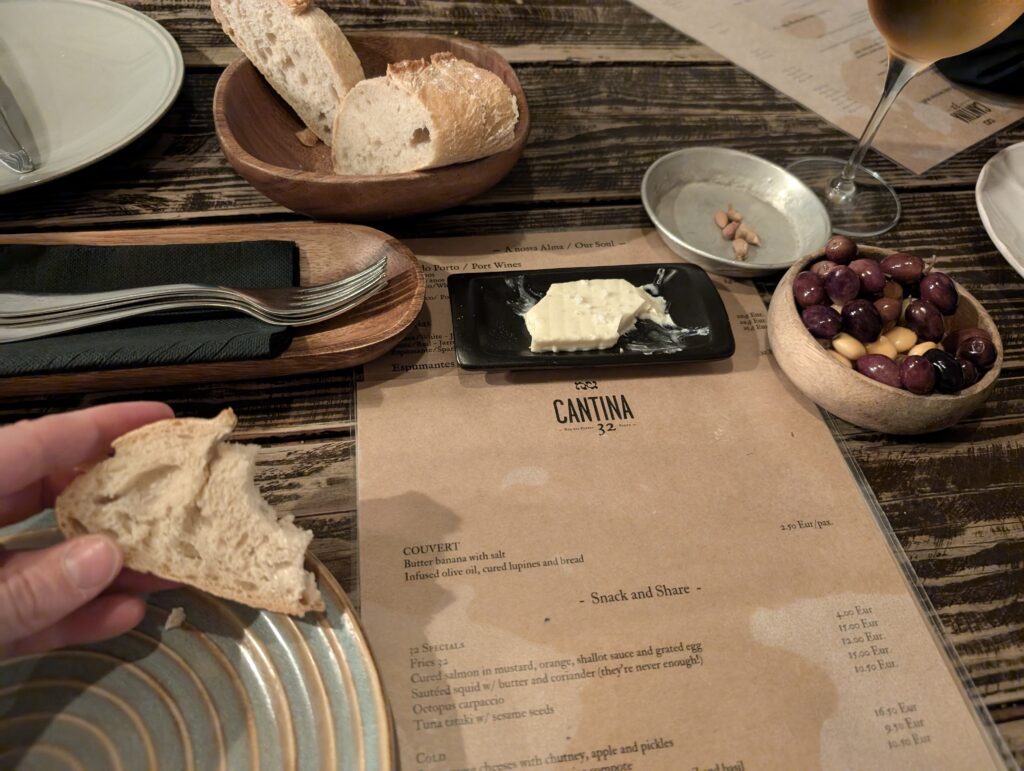
- A small plate of bread, cheese, olives, or spreads brought to the table.
- Not free but affordable.
- If you don’t want it, just politely decline.
- Every restaurant’s couvert is different — often listed on the menu.
What the Food Is Like
- Fresh, simple, and full of flavor — not heavy on sauces.
- Even the ketchup tastes like real tomatoes.
- Each region has its own specialties. Try:
- Cod, octopus, and sardines in Lisbon
- Piri piri chicken in the Algarve
- Francesinha and bifanas in Porto
- Vinho verde up north
Wine in Portugal
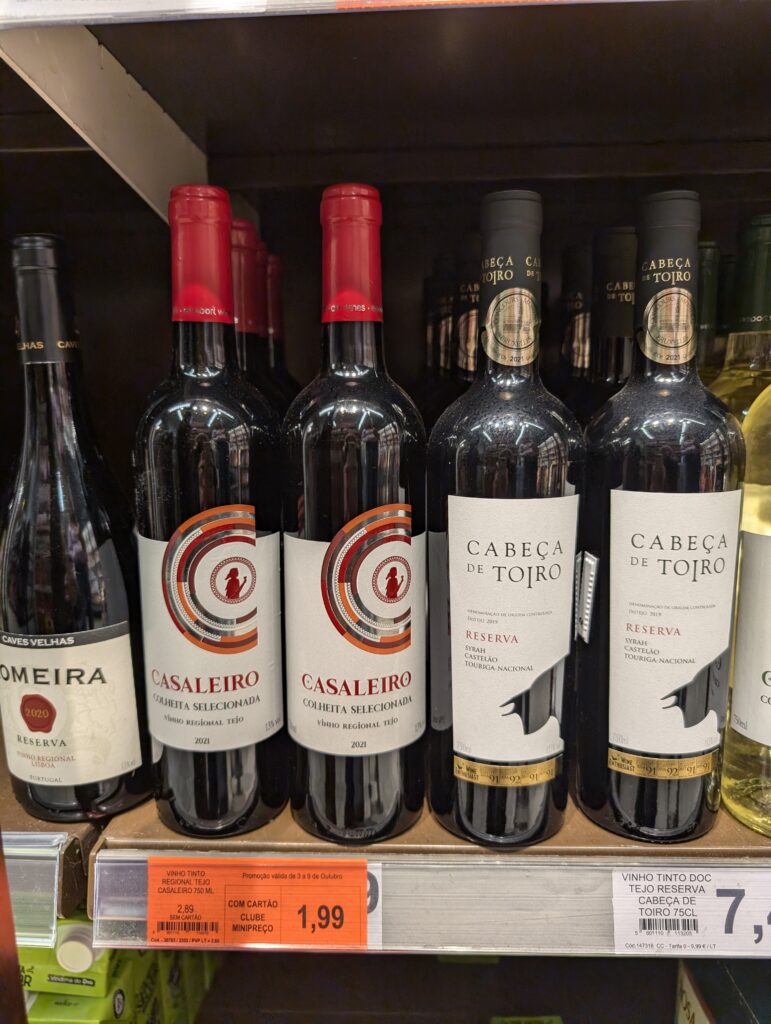
- Amazing quality at incredibly low prices.
- An 8–10 euro bottle can taste like a $40 bottle back home.
- Even grocery store wine is good — seriously, we had a great 3-euro bottle.
Water at Restaurants
- Still or sparkling water will cost a few euros.
- Tap water is safe to drink, but you’ll have to ask for it.
- More common in Porto and Lisbon than in the Algarve.
🌤️ Weather and Best Times to Visit
There’s no bad time to go, but the best times are:
- March – May
- September – October
We visited in October and found:
- Great weather
- Smaller crowds (especially in the Algarve)
Avoid July, August, and early September if you’re not a fan of heat or crowds.
Instead, check out lesser-known regions like Alentejo.
🎒 Packing Tips
- Comfortable shoes are essential — think grippy soles and lots of support.
- Portugal’s sidewalks are made of beautiful but uneven calçadas (stone tiles), and cities are full of hills and stairs.
What I Packed:
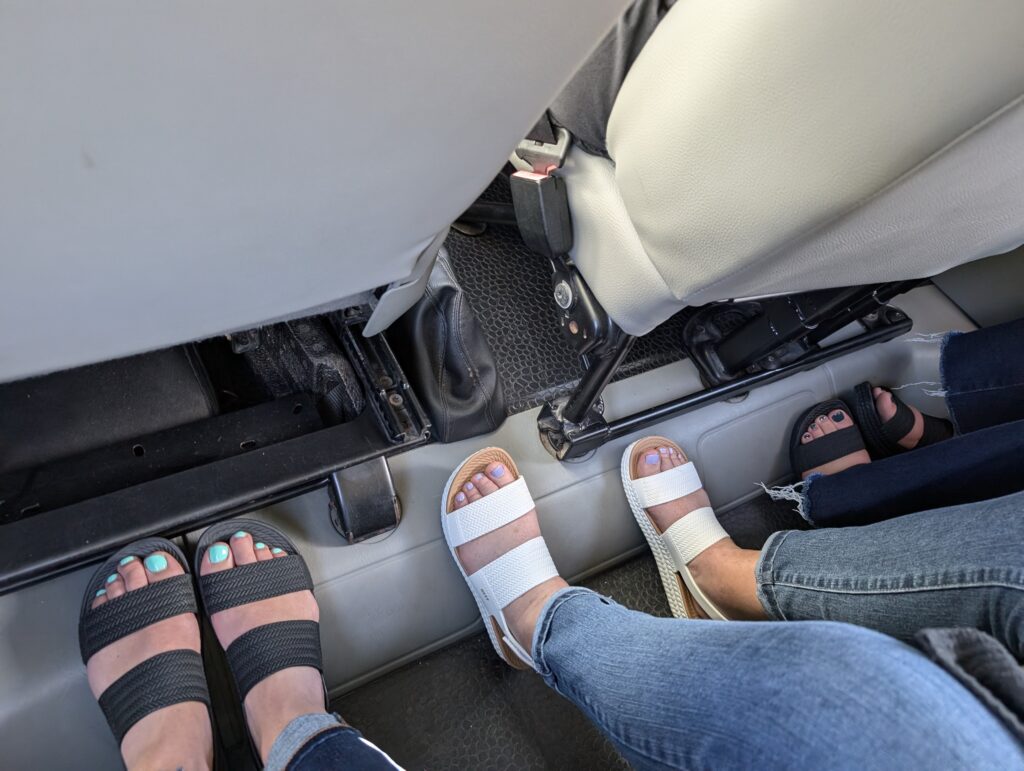
- Walking shoes (New Balance, but Dr. Scholl's are great too)
- Black flats for evenings
- Reef sandals — waterproof, comfortable, and perfect for hot weather
Pro Tips:
- Skip the umbrella — buy one if it rains.
- Bring a handheld fan if visiting in summer.
- Carry-on travel is totally doable.
Bag Recommendations:
- Hard-sided: Monos Carry-On
- Soft-sided: Bric’s Spinner, Travelpro, Samsonite Lipault
- Use a sling or crossbody bag with zippers (I used the large Nomad Lane Sling — it held everything I needed!)
Watch out for pickpockets in Lisbon and Cascais. Zip everything up and stay aware in crowds.
🗺️ Planning Your Portugal Itinerary
Don’t Try to See the Whole Country
Portugal may look small, but it’s packed with places worth visiting.
- With one week:
→ Choose Lisbon + North or Lisbon + South - For Lisbon, Porto, and the Algarve:
→ Give yourself 10+ days
We had 12 nights and stayed:
- 4 nights in Porto (view our Porto hotel)
- 4 nights in Lisbon (view our Lisbon Hotel)
- 4 nights in the Algarve (view our hotel here)
This gave us time for day trips like:
- Douro Valley from Porto
- Sintra from Lisbon
(You can watch my full itinerary vlog for details.)
And yes — I’m already planning to go back. 😉
Hint: stay tuned for a special announcement.
🏨 Where to Stay
We booked everything through Booking, about 2.5 months in advance.
- Expect to pay around €200/night for boutique hotels in walkable neighborhoods.
Bonus Tip:
Check Plannin.com too — it partners with Booking and sometimes has even better prices.
Use my profile to browse some of the hotels I personally recommend.
🧼 Hotel & Airbnb Expectations
- Many accommodations do not have daily housekeeping, especially Airbnbs.
- Air conditioning is not always standard — double-check when booking in summer.
- If you’re staying in a smaller town, ask your host about local restaurant hours — they vary a lot.
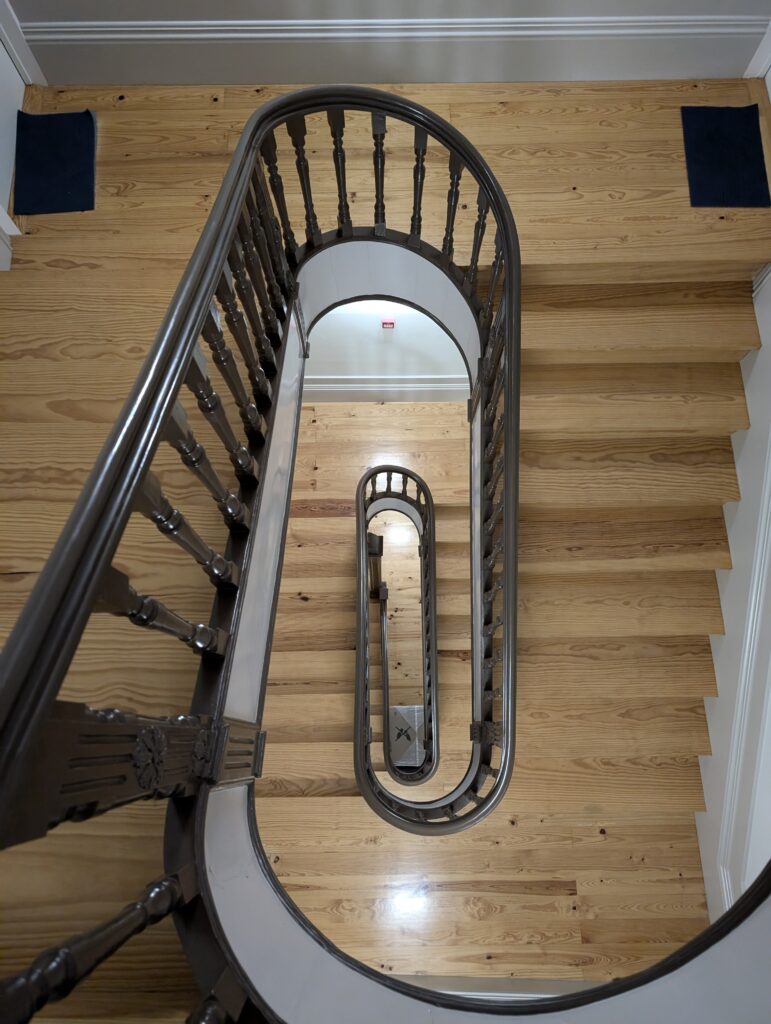
- Many hotels/apartment-hotels are older and don't have elevators, so you may have to walk up a few flights of stairs
Bonus Tip:
Try to book accommodations with a washer for the halfway point in your trip (or for after 4-5 days) – this makes laundry and packing so much easier!
🧭 Booking Tours and Activities
We booked a few great day trips through:
If there’s something you really want to do — book it early.
- Our Douro Valley wine tour was a trip highlight, and I wouldn’t risk missing it.
- Walking tours and food tours can be booked closer to your travel date.
- Cooking classes tend to sell out on rainy days — we missed out, so don’t wait too long.
🇵🇹 Cultural Tips
- Portuguese people are kind, helpful, and warm.
- Most people under 40–50 speak English in cities, but try to use a few local phrases:
| Portuguese | English |
|---|---|
| Olá | Hello |
| Bom dia | Good morning |
| Boa tarde | Good afternoon |
| Obrigada (f) / Obrigado (m) | Thank you |
Also Good to Know:
- Many restaurants close on Mondays
- Some museums and shops close Sundays or Mondays — always check hours
- Graffiti is everywhere — even in upscale neighborhoods. It’s just part of the urban texture, not a sign of danger.
💶 Tipping in Portugal
Tipping isn’t expected everywhere, but here’s what’s common:
| Situation | Tipping Norm |
|---|---|
| Restaurants & bars | 5–10%, preferably in cash |
| Cafes | Round up to the nearest euro |
| Ubers & taxis | Round up |
| Free walking tours | €15–20 per person |
| Paid/private tours | 5–10% if service was great |
Always tip in euros and preferably in cash.
🧠 Helpful Apps to Download Before You Go
- Bolt – rideshare (cheaper than Uber)
- The Fork – restaurant reservations and deals
- Google Translate – for menus or quick chats
- Maps.me – great offline maps for hiking or rural areas
- WhatsApp – widely used for local communication and reservations
Final Thoughts
Portugal surprised me in all the best ways — the landscapes, the people, the food, the rhythm of life. It just has that magic.
I hope these tips help you avoid the little mistakes and truly make the most of your trip.
And if Portugal is on your bucket list… let’s just say I might be going back soon.
Stay tuned to my email newsletter for a group trip announcement 😉
Watch my full video for more details about visiting Portugal!

Tricia Fritz
Sunday 8th of June 2025
We are going to Portugal next April and I would love if you made a list of restaurants you enjoyed in both Lisbon and Porto!
Aly Smalls
Tuesday 24th of June 2025
Hi Tricia, I just wrote a post called: Where to Eat in Portugal: 40+ Must-Try Restaurants in Porto, Lisbon, Algarve & More - here is the link: https://likewhereyouregoing.com/must-try-restaurants-portugal/
Dick Ginkowski
Saturday 10th of May 2025
I also watched your YouTube video. I've been in Portugal several times and your advice is, with one exception and one omission, spot on!
The exception: The sidewalks and streets you'll often encounter in Portugal are brutal to spinner bags. A good rolling bag with good wheels is a better option, so I learned when my bag fell apart and I had to buy a new one (very affordable) at Continente in Lisbon. The advice from locals is that the traditional rolling bags are a better option. (Plus you get more storage room.)
The omission: This is also from the locals. Even though Spanish may be similar to Portugese, never speak Spanish in Portugal. They will labor through English with you if need be but speak Spanish and it's considered an insult.
Bom viagem.